We accept Medicaid and Medicare
Substance Use Counseling
Finding a therapist who takes Medicaid is one of the hardest parts of getting help in this part of Kentucky, and most practices bury it or leave it off entirely. We take it, we have availability now, and you can book this week.

If you are looking at this page
You may not have decided anything yet.
Plenty of people who end up here are still working out whether they have a problem at all, or whether it’s bad enough to do something about.
You don’t have to have that answer before you come in. You don’t have to be ready to quit. You don’t have to call it anything in particular. The first appointment is a conversation about what’s actually going on. It is not a commitment to a program, and not a lecture.
What people come in with
- Drinking or using more than they meant to, more often than they meant to
- Trying to cut back and not being able to make it stick
- The people around them noticing before they did
- Something that started as managing stress, pain, or sleep and became its own thing
- Consequences piling up: work, money, a license, a relationship, a court date
- Having stopped before, and having started again
There is also the group of people whose substance use sits on top of something else: anxiety they were quieting, a trauma they were outrunning, a depression they were treating the only way they knew how. That’s common enough that we always look for it.
How we work
The starting point is not a script. Some people want to stop completely. Some want to cut back. Some are ordered to be here and are not sure they want any of it. All of those are workable starting points, and being honest about which one you’re in is more useful than saying what you think we want to hear.
What it does for you
Understanding what the substance is doing for you, and building something to put in its place.
The hard moments
Handling the situations that reliably knock you off course, and dealing with whatever is underneath.
Relapse is information
If you’ve relapsed before (most people have), that’s information about what your pattern is, not evidence that you can’t do this.
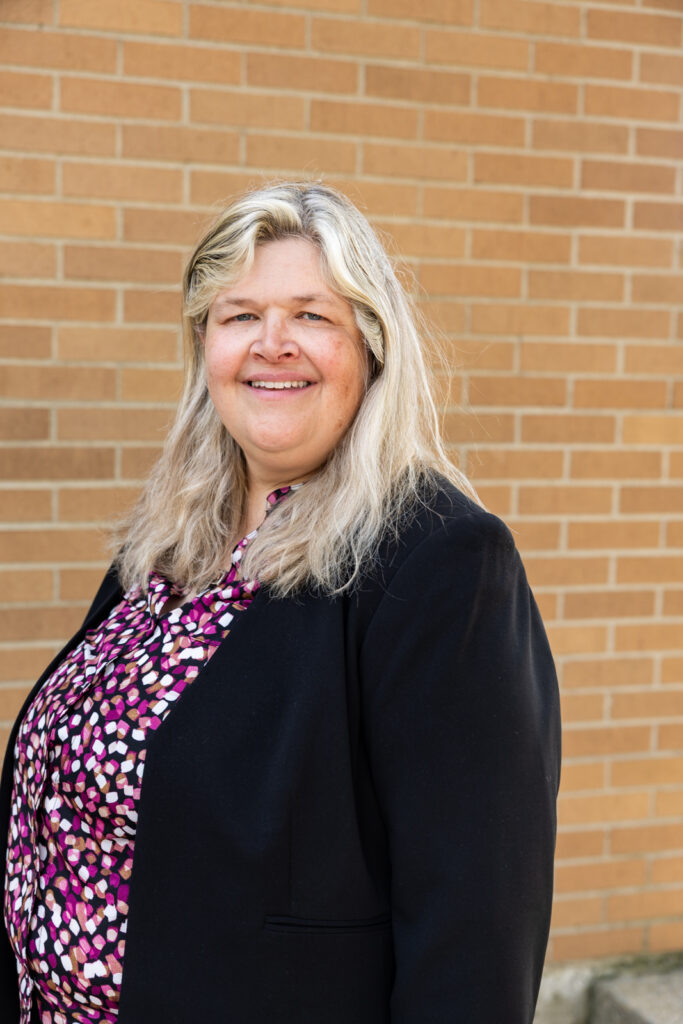
Meet your therapist
[REBECCA NAME]
Substance use is her focus, and this is her page.
[CLIENT: her credentials and licensure status, from the Staff Survey]
[CLIENT: 2 to 3 sentences on how she works, from the Staff Survey]
She also sees clients for depression, anxiety and other concerns, and she takes new Medicaid and Medicare clients now.
Medication
A faster route to a prescriber.
We don’t prescribe. If medication is part of what would help, including medication used in the treatment of substance use disorders, we can refer you to a nurse practitioner we work with, generally much faster than the roughly three month psychiatrist wait in this area.
In person or online
Online removes the usual barriers.
Our office is at 102 North Mulberry in Elizabethtown, and we see clients by telehealth anywhere in Kentucky.
Telehealth matters more for this than for most things we do. Transportation is a real barrier, so is a work schedule, and so is the risk of being recognized walking into a building. If any of those is what has been stopping you, online sessions remove it.
What it costs
If you have Medicaid or Medicare, your sessions are covered.
There is generally no copay. [CLIENT TO CONFIRM: exact Medicaid copay situation, and self-pay rate for anyone without coverage.]
Common questions
Do you take Medicaid?
Yes, and Medicare. Use the Medicaid scheduling link. The intake is different from private insurance, which is why there are two.
Do I need a referral?
[CLIENT TO CONFIRM: Medicaid referral requirements vary by plan.]
I was ordered to come by a court. Does that change anything?
No. We see court involved clients and can provide documentation of attendance. What you talk about in session is still confidential within the usual legal limits.
Do I have to be sober to start?
No. Come as you are. If you show up in a state where a session isn’t going to be useful, we’ll reschedule and no one will shame you for it.
Will this go on my record?
We keep clinical records, as any healthcare provider does, and they’re protected under HIPAA. They’re not shared with your employer, your family, or anyone else without your written permission.
Is it confidential if I have Medicaid?
Yes. Medicaid receives billing information, the same as any insurer. Your sessions are not shared.
What if I’ve tried before and it didn’t work?
Most people who succeed have tried before. It’s the norm, not the exception, and it’s not a reason to skip trying again.
Getting started
When you’re ready, we’re here.
If you have Medicaid or Medicare, use the Medicaid link. You’ll enter your information, complete a few assessments, and book your first appointment in one sitting. With private insurance or self-pay, use the other link.