Trauma Therapy
Trauma isn’t only what happened. It’s what your mind and body kept doing long after it was over.

Maybe you startle at things that shouldn’t startle you. Maybe you avoid a road, a room, a kind of conversation, without ever quite deciding to. Maybe you feel fine for weeks and then flattened for no reason you can name.
Maybe you’ve never used the word trauma about your own life because what happened to you didn’t seem bad enough to count.
It counts.
What trauma can look like
People come to us describing very different things.
- Being on edge, watchful, unable to fully relax even somewhere safe
- Sleep that won’t come, or dreams that keep going back
- Memories that arrive uninvited. A smell, a sound, and you’re there again
- Numbness, or a sense of watching your own life from a distance
- Avoiding people, places, or conversations that bring it close
- Anger that surprises you with its size
- A conviction that it was somehow your fault
Trauma comes from single events: an accident, an assault, a loss, a medical emergency. It also comes from things that went on for years: a childhood spent managing an unpredictable adult, a relationship that slowly rewrote what you believed about yourself. Both are real. Neither one needs to be worse than someone else’s to deserve attention.
How we work with trauma
Trauma therapy here doesn’t start with you retelling the worst thing that ever happened to you. That’s a common fear, and it isn’t how this goes.
Stability first
We make sure you have footing before we go anywhere difficult.
The pace is yours
Some people want to work directly through what happened. Others find more relief working on how it shows up now: the sleep, the reactions, the relationships. Both are legitimate.
You can say stop
You will not be pushed somewhere you’re not ready to go, and you can say stop at any point.
What we’re aiming for isn’t forgetting. It’s that the memory stops running the day.
About your therapist
Nearly three decades of trauma work
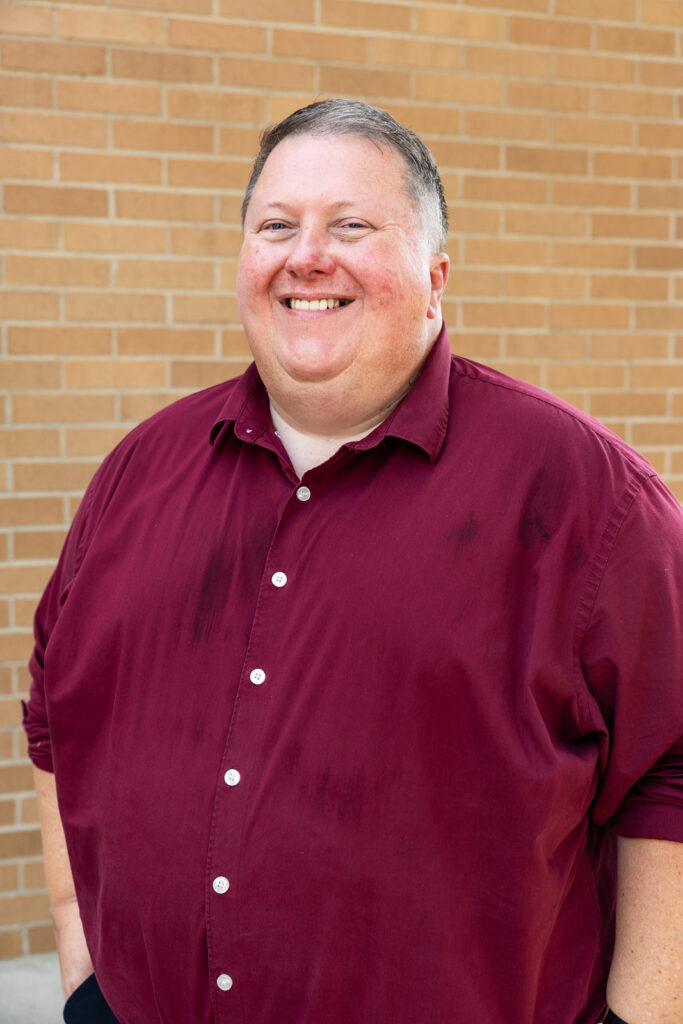
Eric Devers has been doing this work for nearly three decades, and trauma is [his/her] particular focus. That length of experience matters here more than in almost any other area. Trauma work goes wrong when it’s rushed, and knowing when to slow down is something you learn by doing it for a long time.
[CLIENT: 2 to 3 sentences on approach, from the bio questionnaire]
What the first few sessions look like
Starting is usually the hardest part.
The first appointment is an assessment: what brought you in, some history, what you want to be different. No one will ask you to recount anything you don’t want to recount on day one.
The next few sessions are about getting your feet under you and building a plan together. Most people start weekly.
In person or online
Wherever you already feel safe.
We see trauma clients both ways. Our office is at 102 North Mulberry in Elizabethtown, and we’re licensed throughout Kentucky for telehealth. Some people want to be in the room for this work. Others find it easier from their own home. Either is fine, and you can change your mind.
Common questions
Do I need a diagnosis of PTSD to come in?
No. Most people we see for trauma don’t have a formal diagnosis when they walk in, and plenty never get one.
What if I don’t remember everything clearly?
That’s extremely common and it doesn’t get in the way. Gaps and fragments are part of how memory handles overwhelming events.
Will I have to talk about the details?
Only if and when you choose to. A lot of useful trauma work happens without a detailed retelling.
Is it too late? It was years ago.
No. People come in decades later and still get real relief. Time doesn’t close the door.
Getting started
When you’re ready, we’re here.
Which link you use depends on your coverage: private insurance and self-pay one way, Medicaid, Medicare, and Tricare the other.